


General Dental Treatment
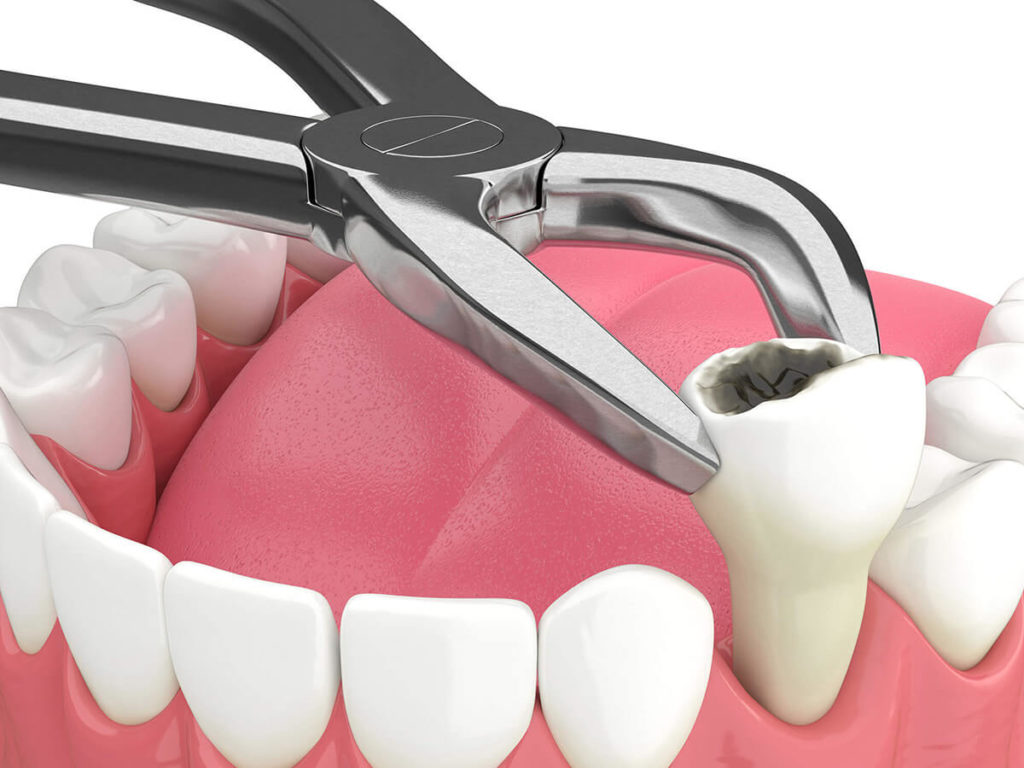

Extraction
A dental extraction, sometimes referred to as exodontia, is the removal of a tooth from the mouth. Extractions are performed for a wide variety of reasons, including:
- Tooth decay that has destroyed enough tooth structure to prevent restoration
- Impacted or problematic wisdom teeth
- Some permanent teeth to make space for orthodontic treatment
General Dental Treatment FAQs
What should you expect when you are scheduled for a tooth extraction?
- Your dentist will numb the area to lessen any discomfort.
- After the extraction, your dentist will advise you on post-extraction care.
- A small amount of bleeding is normal. Avoid anything that might prevent normal healing:
- Do not smoke
- Avoid vigorous rinsing
- Do not drink through a straw for 24 hours
- If rinsing is necessary during the first few days, do so gently.
- For pain or swelling:
- Apply a cold cloth or ice bag
- Ask your dentist about pain medication
- Brush and floss other teeth as usual, but do not clean the teeth next to the tooth socket.
-
I’ve had my tooth out – what should I do now?
- Take it easy for the rest of the day.
- Minimize exercise and rest as much as possible.
- Keep your head elevated to avoid bleeding.
What precautions should I take?
- Avoid hot food or drinks until the anesthetic wears off.
- Be careful not to chew your cheek.
- Elevate your head the first night using an extra pillow if possible.
- Use an old pillowcase or towel in case of slight bleeding.
Should I rinse my mouth out?
- Do not rinse the area for the first 24 hours.
- Allow the socket to heal naturally.
- Avoid disturbing the blood clot, eating on that side, or letting your tongue touch it.
Is there anything else I should avoid?
- Avoid alcohol for at least 24 hours, as it may encourage bleeding and delay healing.
- Eat and drink lukewarm foods.
- Avoid chewing on the extraction area.
When should I brush?
- Keeping your mouth clean is important after an extraction.
- Be careful around the extraction site.
What do I do if it bleeds?
- Some slight bleeding in the first day or so is normal.
- Blood mixed with saliva may look dramatic but is usually normal.
- If bleeding occurs:
- Bite firmly on a piece of sterile gauze over the extraction site for at least 15 minutes.
- Replace gauze if necessary.
- If bleeding persists after 1–2 hours, contact your dentist.
If I am in pain, what should I take?
- Some tenderness in the area for the first few days is normal.
- Simple pain relief is usually sufficient (headache medication works).
- Always follow manufacturer instructions.
- Do not take aspirin as it may increase bleeding.
If I am still in pain, what could it be?
- Infection in the socket (dry socket) can be very painful.
- Occurs when there is little or no blood clot, leaving bony socket walls exposed.
- Treatment:
- See your dentist
- Dressing may be placed in the socket
- Antibiotics may be prescribed
- Small bone pieces may surface in the socket; this is normal.
Will my dentist need to see me again?
For difficult extractions, a follow-up may be scheduled:
- Remove stitches if needed
- Check that the area is healing properly
Filling
A dental restoration, or dental filling, is a restorative material used to artificially restore the function, integrity, and morphology of missing tooth structure.
- Structural loss is typically due to caries or external trauma.
- Fillings can be made from materials such as:
- Dental amalgam
- Glass ionomer cement
- Composite resins
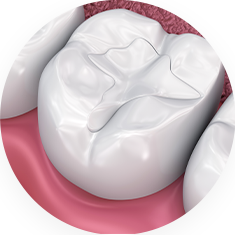
Dental amalgam
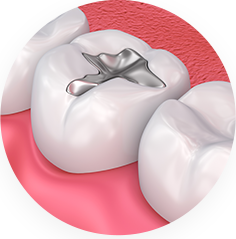
Glass ionomer cement
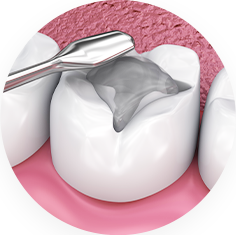
Composite resins
Factors influencing performance, durability, longevity, and cost include:
- Patient’s oral and general health
- Components used in the filling material
- Where and how the filling is placed
- Chewing load the tooth must bear
- Number and length of visits needed to prepare and adjust the restored tooth
Scaling & Polishing
A ‘scale and polish’ is performed when teeth require a thorough clean to remove plaque and tartar:
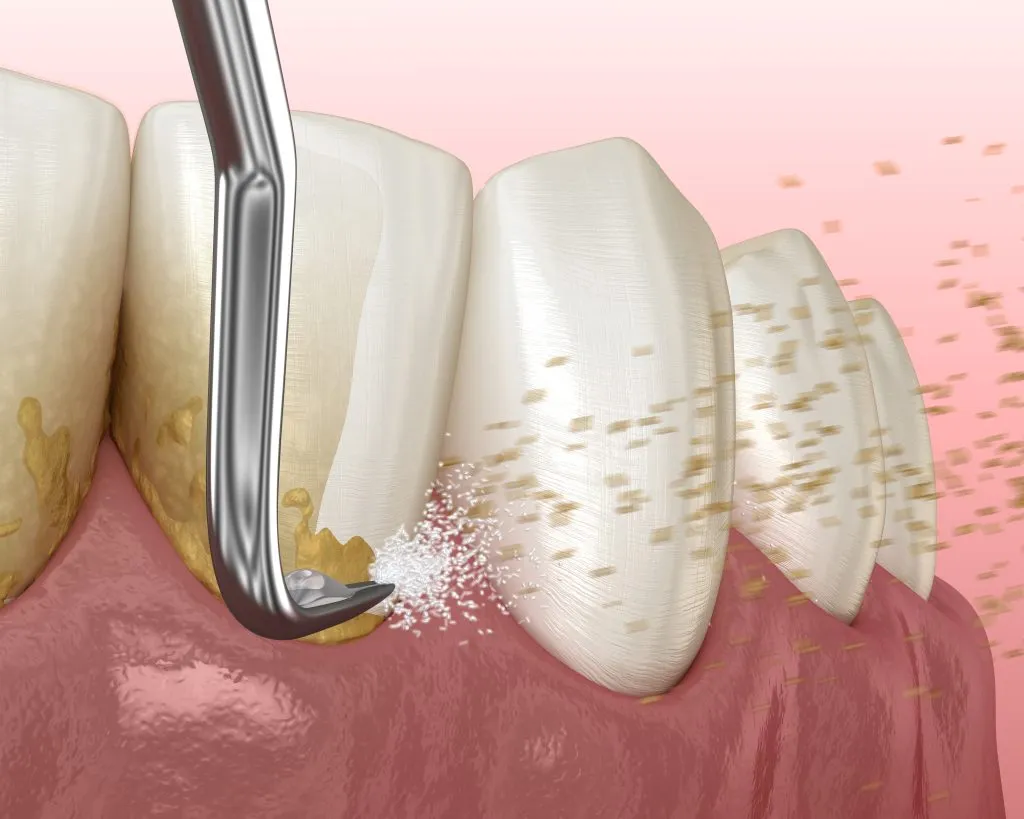
Scaling:
- Removes hard tartar that cannot be eliminated by brushing
Polishing:
- Removes stains caused by coffee, tea, or red wine
- Stubborn stains may require additional treatments
Equipment:
- Prophyjet blasts away stains
- For gum disease: deeper scaling called root planing
- Cleans all around tooth roots
- Local anesthesia may be offered for comfort
Benefits of regular scaling and polishing:
- Maintains healthy teeth and gums
- Easier home oral care
- Teeth look and feel cleaner
- Early detection of gum disease if gums bleed while brushing
- Prevents gum disease from worsening
- Helps prevent bad breath caused by gum disease

Your Trusted Partner in Dental Excellence.
Your journey to a dream smile starts here. Experience personalized, comfortable care from the moment you walk through our doors, tailored specifically to your unique needs.