


Children’s Dentistry
Children’s dentistry is a field of dentistry focused on the oral health of children from birth through adolescence. Early examination of a child’s mouth is essential for detecting the early stages of tooth decay. The dentist can also provide dietary counselling and monitor the growth and development of your child’s teeth.
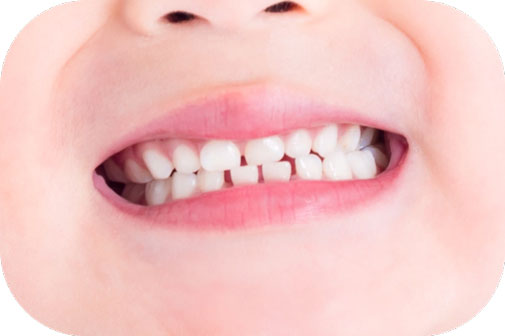

About Children Teeth
How Many Teeth Do We Have?
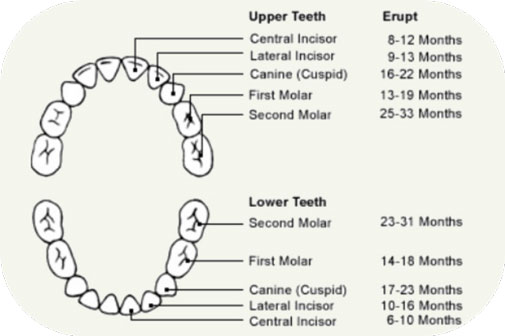
Most people have a total of 20 primary (baby) teeth. These can start to erupt as early as six months of age and continue until around three years old.
Starting at about age six, baby teeth begin to loosen and fall out, making way for the permanent (adult) teeth.
🦷 Primary Teeth Eruption Chart
🦷 Permanent Teeth Eruption Chart
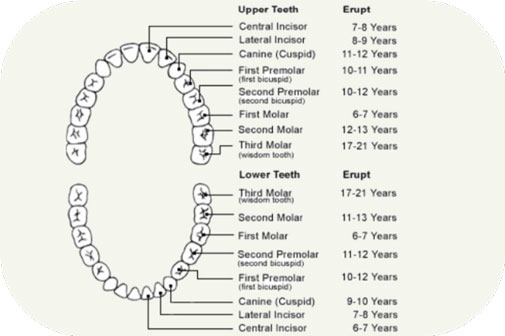
*An adult with all three sets of molars (including wisdom teeth) will have 32 permanent teeth in total.

Your Trusted Partner in Dental Excellence.
Your journey to a dream smile starts here. Experience personalized, comfortable care from the moment you walk through our doors, tailored specifically to your unique needs.
Why Do We Need to Take Good Care of Baby Teeth If They’re Going to Fall Out Anyway?
Baby teeth play a vital role in your child’s overall health, growth, and development, and they remain in the mouth for many years of childhood.
Healthy baby teeth are essential for:
-
Helping your child chew food properly.
-
Supporting speech development in the early years.
-
Holding space for adult teeth growing underneath the gums.
The front baby teeth usually fall out between ages 6–8, while the back (primary molars) may stay until ages 11–12.
A bright, healthy smile helps boost a child’s confidence and self-esteem. Tooth decay in baby teeth can increase the risk of decay in adult teeth. Severe decay can cause pain, infection, and affect a child’s overall health. Tooth pain can also keep children home from school and distract them from learning.

Scheduling Your Child’s First Dental Visit
Parents often ask, “When should my child first see a dentist?”
The short answer is: “First visit by first birthday.”
This guideline is recommended by the American Academy of Pediatric Dentistry (AAPD) and supported by the American Academy of Pediatrics (AAP) as well as your child’s pediatric physician.
Regular check-ups every six months are recommended to help prevent cavities and detect any dental problems early.
Preparing Your Child
Young children are usually at their best in the morning, so we recommend scheduling morning appointments whenever possible.
When talking about the visit, keep the tone positive and calm — make them sound like an exciting part of growing up and staying healthy.
Choose your words carefully when preparing your child. For example,
instead of saying “The dentist will not hurt you,”
try saying “The dentist will be very gentle.”
When describing treatment, avoid using words such as “needle,” “drill,” “injection,” “pain,” or “extract.”
Instead, use friendly language like“The dentist will count your teeth and brush them clean.”
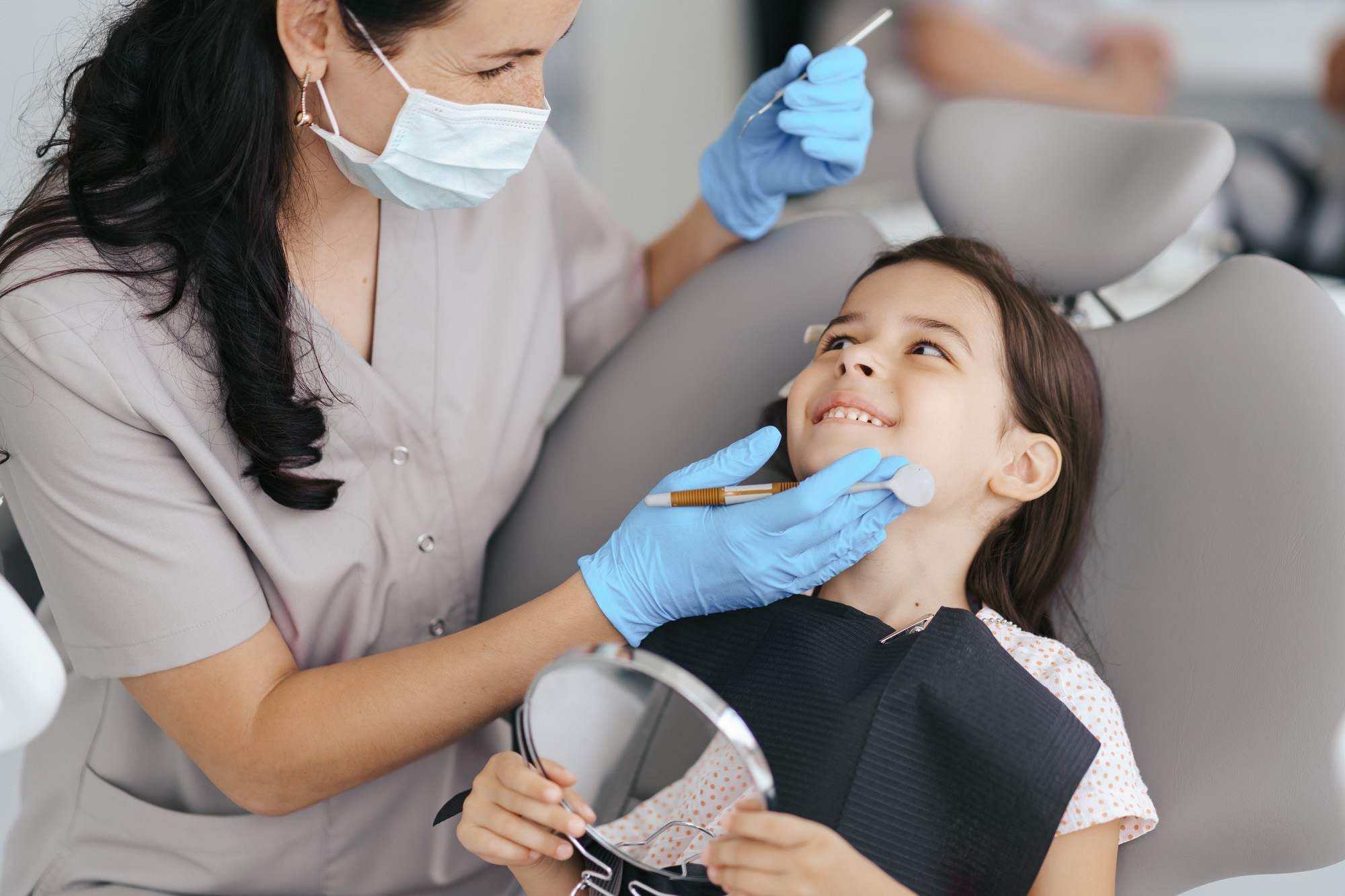
What to Expect
The initial examination typically takes about 40 minutes. We encourage parents to be present and participate throughout the entire visit.
At the start, our staff will discuss any concerns you may have and review your child’s medical and dental history. Your child will be introduced to the dentist and given time to explore the clinic and feel comfortable before the examination begins.
Depending on your child’s needs, diagnostic X-rays may be taken to assess their current dental condition. The dentist will perform a gentle examination of the mouth, teeth, and gums, followed by cleaning and a fluoride varnish application.
Any findings or dental issues will be discussed with you, and a suitable treatment plan will be proposed. The visit will conclude with oral hygiene guidance and practical tips to help maintain your child’s bright and healthy smile.