


Braces
Why Do I Need Braces?
Orthodontic (braces) treatment is suitable for both children and adults. Braces are orthodontic appliances used to correct “bad bites” (malocclusion) or teeth that are crowded, crooked, or spaced too far apart. These alignment problems may be inherited or caused by injury, early tooth loss, or other dental issues.
If left untreated, these irregularities may lead to:
- Tooth decay, tooth loss, or gum disease (as misaligned teeth are harder to clean and maintain)
- Abnormal wear of tooth surfaces
- Excess stress on supporting bone and gum tissues
- Misalignment of the jaw joints, resulting in chronic headaches or facial/neck pain
- Lower self-esteem due to changes in facial appearance
For some individuals with missing teeth, braces may also be used to create space for future dental implants or bridges.
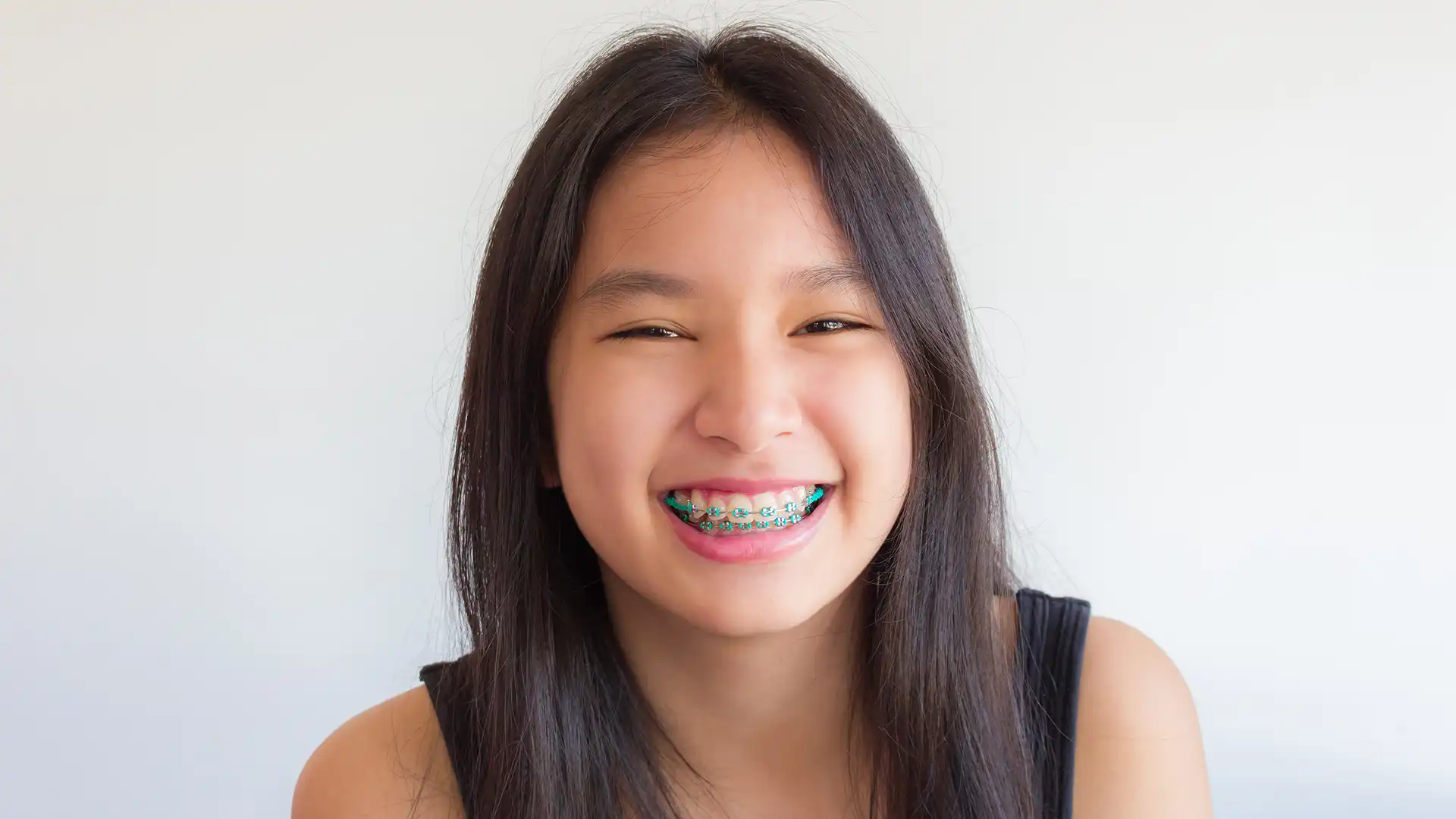

Why Does My Child Need Braces?
Abnormal bites often become noticeable between the ages of 6 and 12. Orthodontic treatment usually begins between ages 8 and 14, when the jaw and facial structures are still developing.
Children often show early signs of jaw problems as they grow. For instance, an upper jaw that is too narrow or growing excessively can be detected at a young age. If identified early (around age 6 or above), early orthodontic treatment can help prevent crowding of permanent teeth later on.
It is recommended that children visit an orthodontist (a specialist in braces treatment) as early as age seven to assess their dental and facial development. While most orthodontic treatment occurs during adolescence (ages 11 to 15), early evaluation allows for timely intervention if needed.
Orthodontic treatment may occur in two phases:
1. Phase One (Growth Modification)
- Usually begins around age eight, while the jaws are still growing.
- Focuses on correcting jaw alignment and guiding proper growth.
- Treatment typically lasts around one year using special appliances.
2. Phase Two (Alignment and Retention)
- Begins when all permanent teeth have erupted (around ages 11–13).
- Full braces are usually worn for 18 to 24 months.
- After braces are removed, retainers are used to maintain the new alignment and ensure lasting results.
Signs Why Do I Need
- Early or late loss of baby teeth
- Difficulty chewing or biting
- Mouth breathing
- Thumb-sucking after age 5
- Speech difficulties
- Protruding teeth
- Teeth that do not meet properly when biting
- Jaw shifting when opening or closing the mouth (crossbite)
- Crowded front teeth around ages 7 or 8
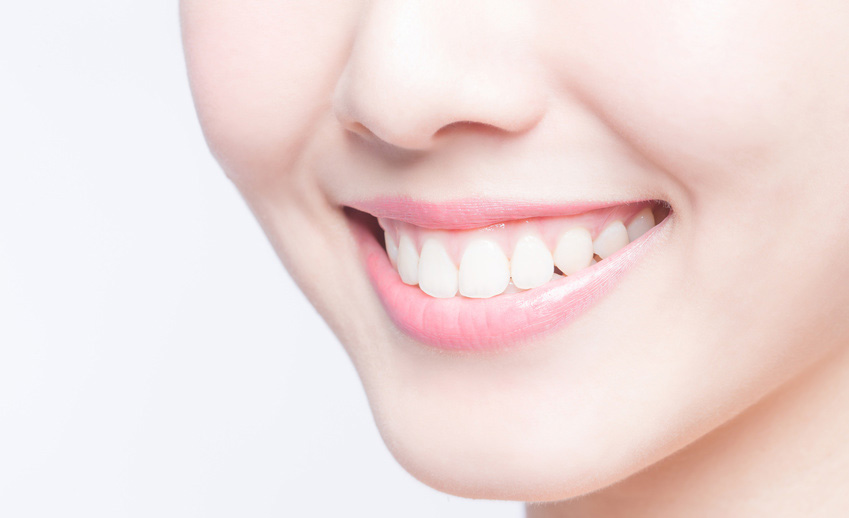
If your child has any of the above issues, an orthodontic assessment may be beneficial

Your Trusted Partner in Dental Excellence.
Your journey to a dream smile starts here. Experience personalized, comfortable care from the moment you walk through our doors, tailored specifically to your unique needs.
Benefit
Better Bite
Orthodontic treatment helps you achieve a proper bite, allowing your teeth to fit together and function more effectively.
Straighter Teeth
Well-aligned teeth not only look better but also function more efficiently, contributing to overall oral health.
A More Attractive Smile
Straight and properly aligned teeth enhance your appearance and boost confidence, giving you a more attractive and natural smile.
Healthier Mouth
Correct alignment of teeth and jaws can help improve speech, as misalignment may sometimes cause speech impediments or difficulty pronouncing certain words.
Improved Speech
Correct alignment of teeth and jaws can help improve speech, as misalignment may sometimes cause speech impediments or difficulty pronouncing certain words.
2 Types of Braces
Braces can be broadly divided into removable and fixed types.
Removable
Appliance
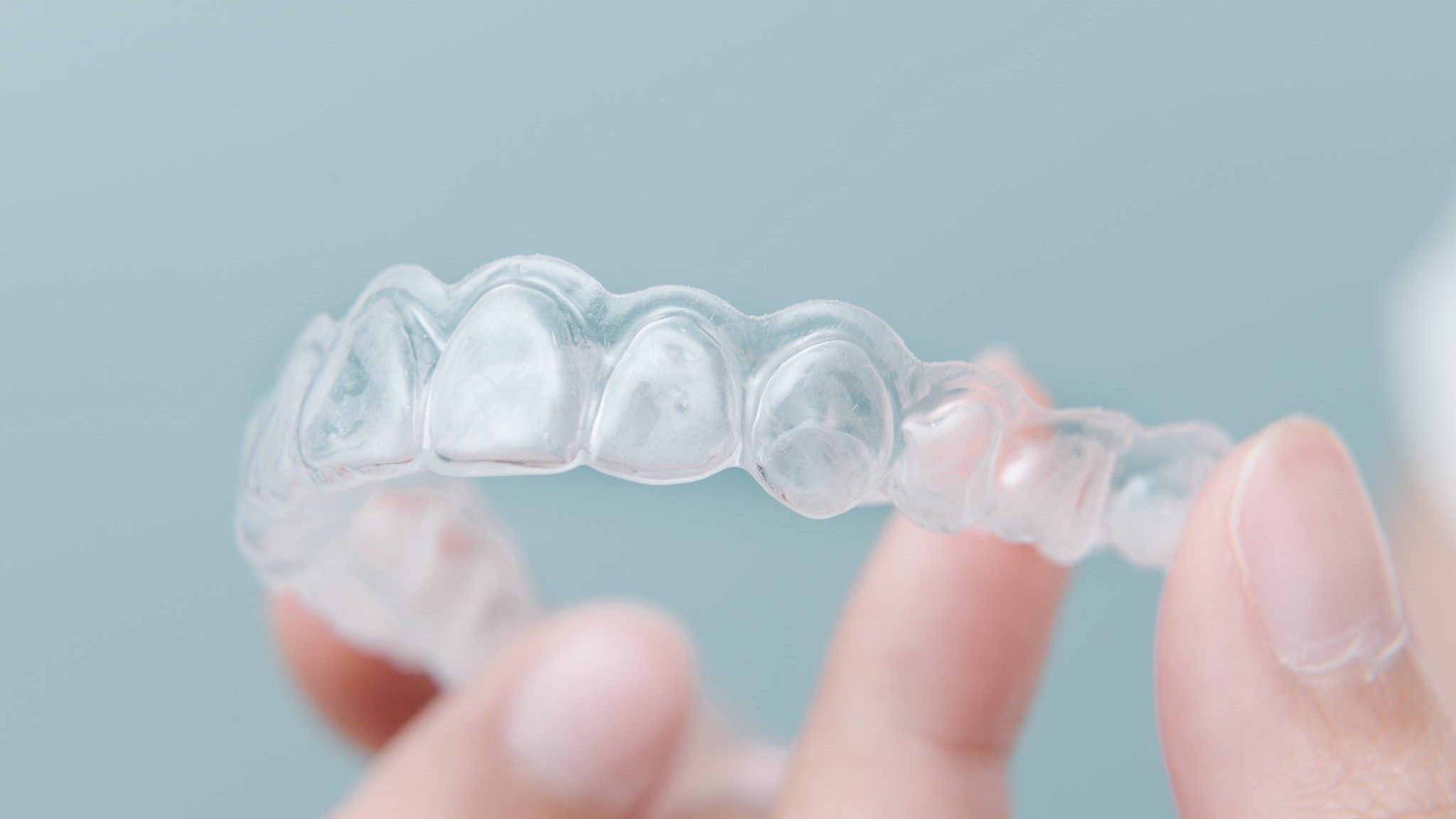
Clear aligners are a popular option for correcting mild to moderate malocclusion and for addressing post-treatment relapse. Unlike conventional braces, aligners can be removed when eating, drinking, or during your daily brushing and flossing routine.
For instance, Invisalign® is one of the well-known brands of clear aligners. Invisalign® consists of a series of custom-made, removable aligners individually designed using 3D computer technology. Each set of aligners is worn for about two weeks, gradually moving your teeth week by week until the desired alignment is achieved.
Fixed
Appliances
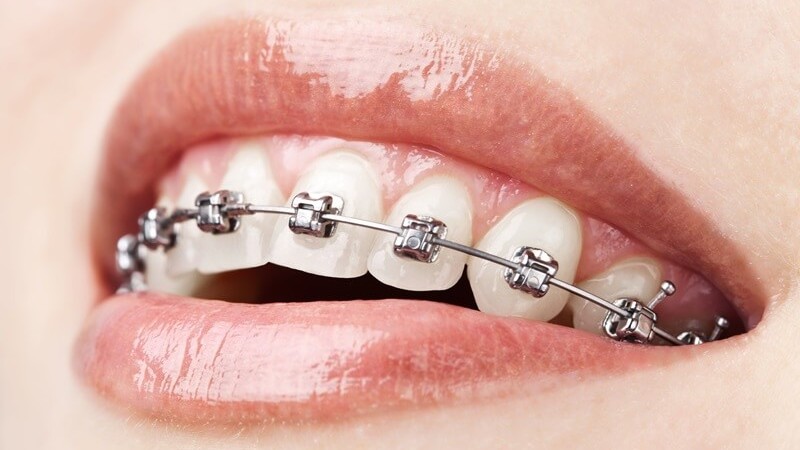
Conventional braces usually consist of small stainless-steel brackets cemented onto your teeth and connected by a thin wire. Depending on the type of braces, the wire may be held in place using a built-in clip (self-ligating braces) or a series of tiny rubber bands known as ligatures.
To make braces more visually appealing, coloured ligatures can be added and changed during monthly adjustment visits. For those who prefer a more discreet option, ceramic (tooth-coloured) or lingual braces (placed behind the teeth) are also available.
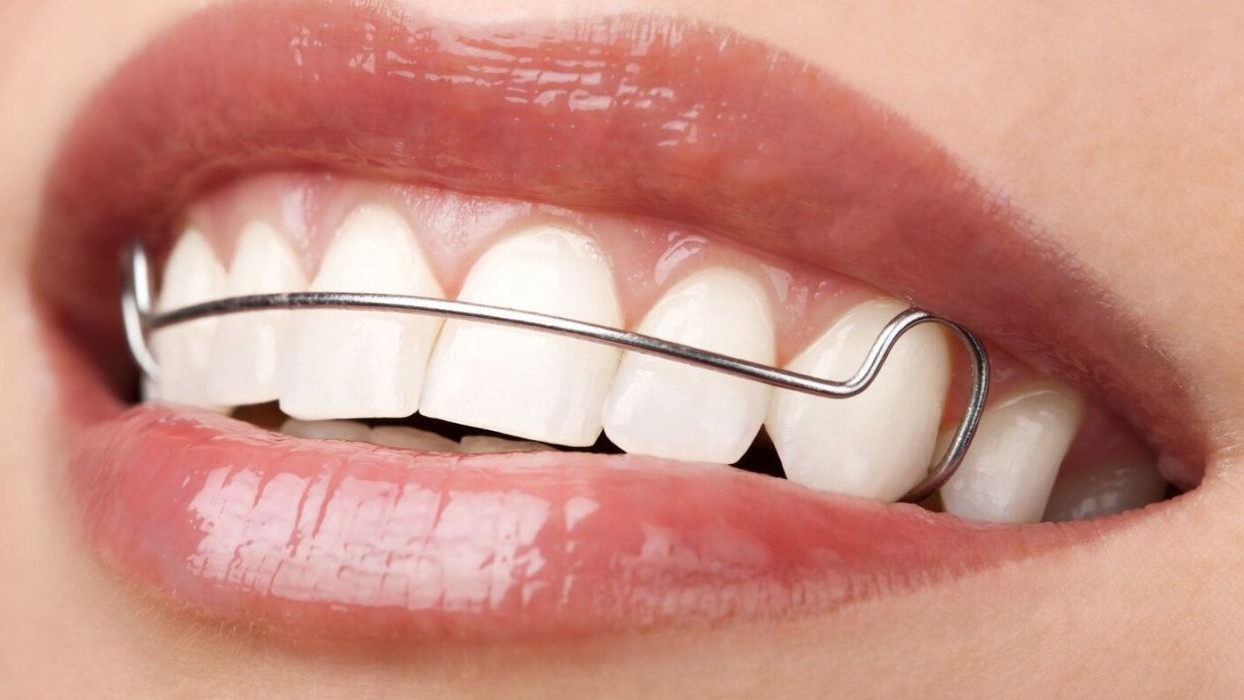
After Treatment
The position of teeth naturally changes throughout life — a long-term process that can cause shifts in the bite or tooth alignment. Additionally, teeth may tend to move back toward their original positions after orthodontic treatment, a process known as relapse.
To minimize this and maintain long-term results, retainers are provided after treatment. Your dentist will guide you on the proper care and use of retainers to ensure your smile remains straight and stable.