


Dental Radiographs
What is a dental x-ray?
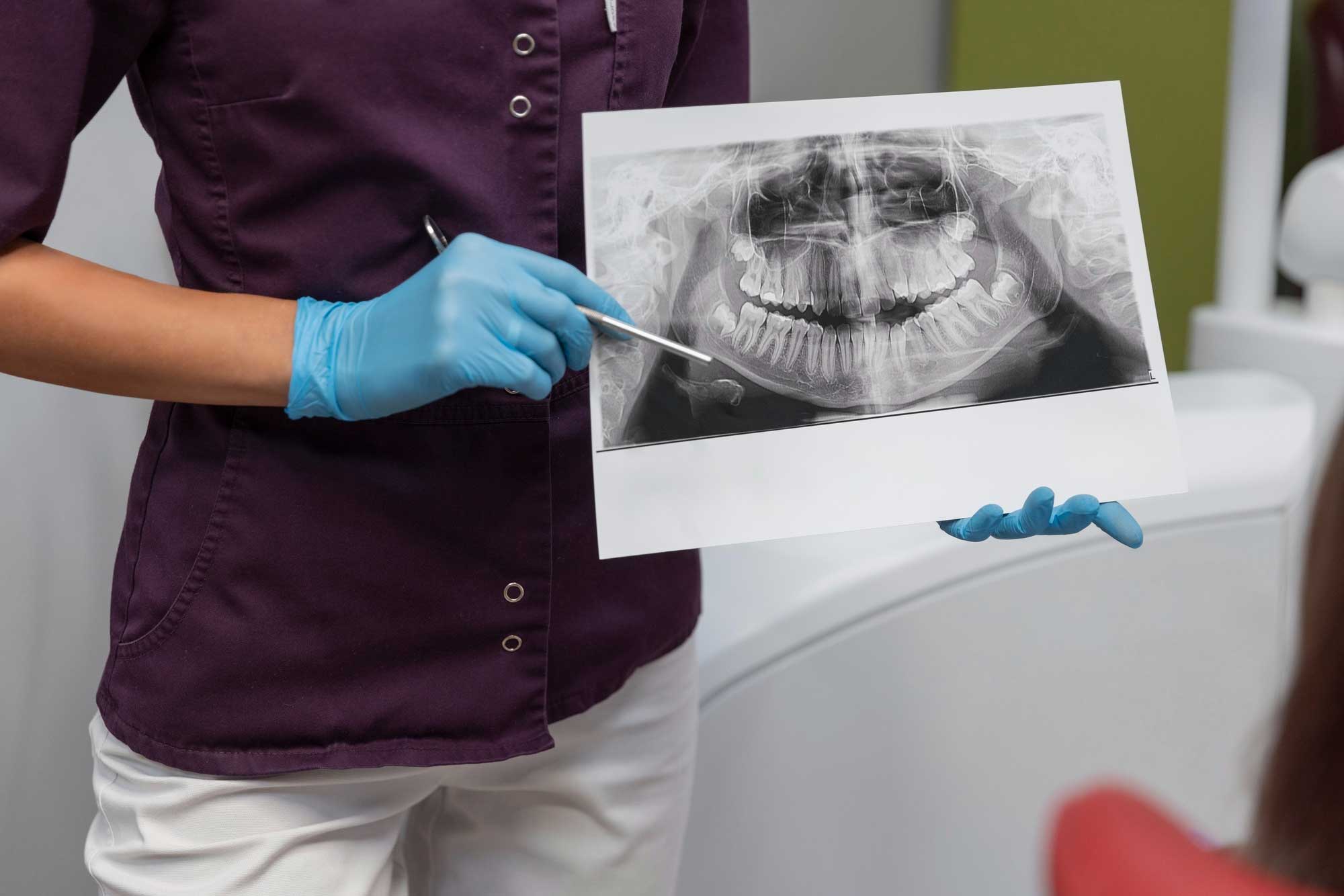
Dental x-rays are essential diagnostic tools that give your dentist a complete view of your oral cavity—areas that cannot be seen with the naked eye.
To conveniently store your dental x-rays on your phone, download the Q & M App now:



Why do I need dental x-rays?
If you are a new patient, dental X-rays help your dentist determine your baseline oral health and serve as a reference to track any changes over time. X-rays may also be taken before and after specific treatments for record-keeping purposes.
Your dentist may ask for dental X-rays to help identify or diagnose:
- Number, size, and position of teeth (e.g., buried or impacted teeth)
- Tooth caries or decay
- Bone loss caused by gum disease
- Infection of a tooth or under the gums
- Jaw fractures
- Bite or occlusion problems
- Other teeth and bone abnormalities (e.g., tumours)
In children, x-rays help monitor the development of teeth and jaw bones. Early detection of developmental issues allows prompt intervention.
Are dental x-rays safe?
We are naturally exposed to small amounts of radiation from the sun, soil, air, and water—known as background radiation. The radiation used in dental x-rays is very small in comparison.
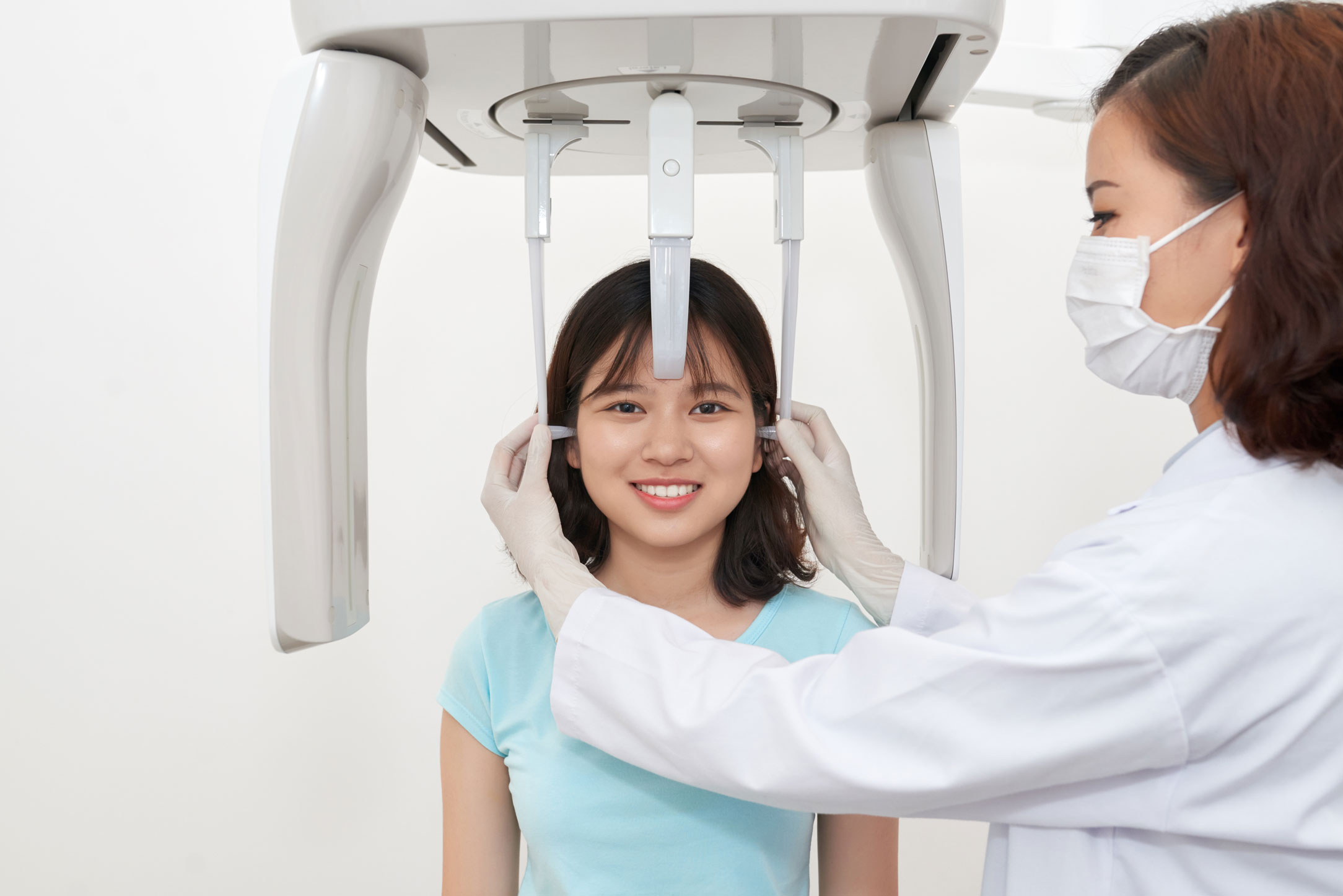
Protective measures such as a leaded apron and thyroid shield are used to minimize exposure.
- X-rays are generally avoided during pregnancy, but if necessary, protective shields ensure safety for both mother and fetus.
- Dental x-rays are safe for breastfeeding mothers and women trying to conceive.
All x-ray equipment in our clinics undergoes routine safety checks and complies with legal regulations.
Types of Dental X-rays
Intraoral X-rays
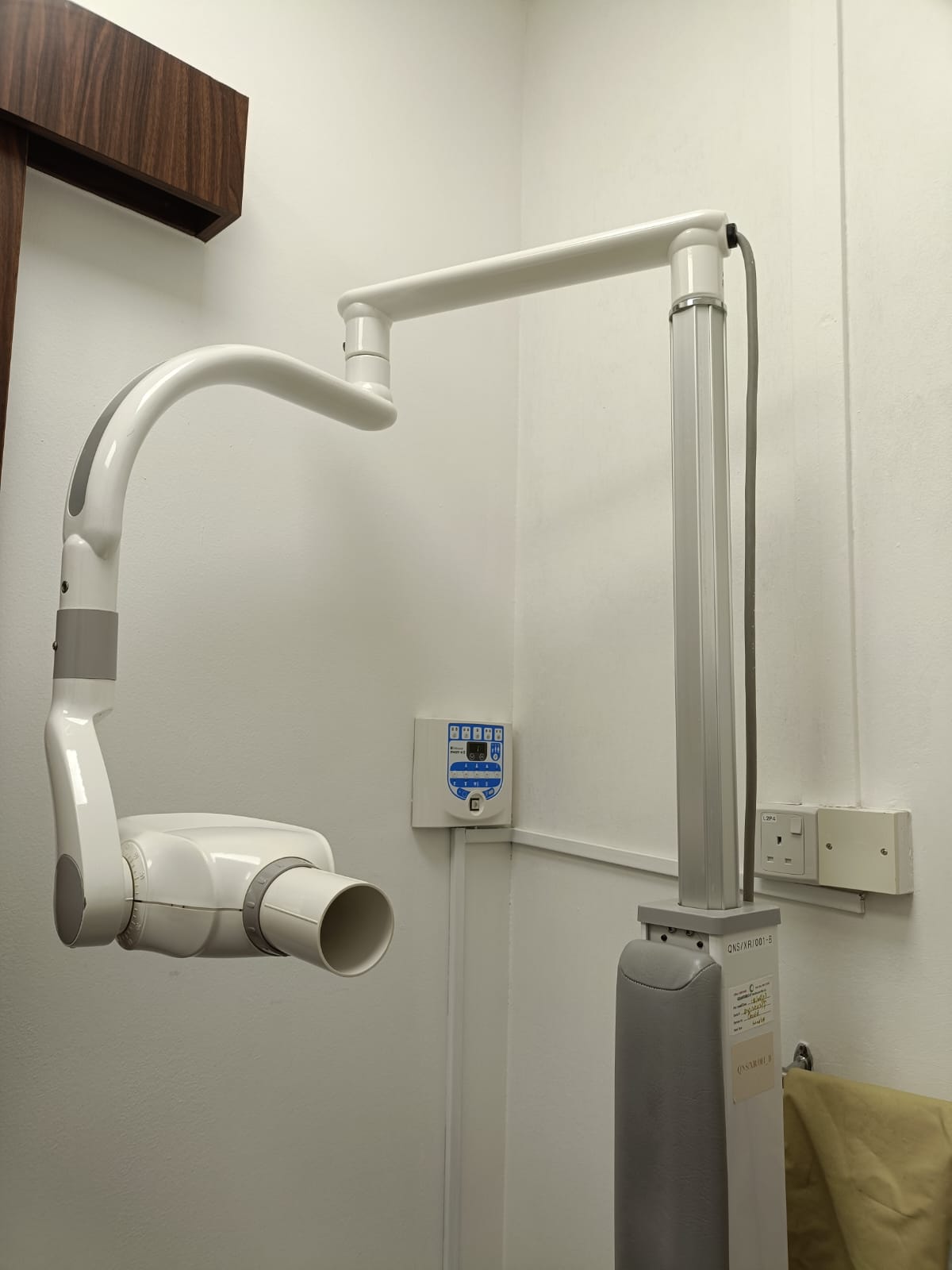
Periapical and Bitewing: Small x-rays capturing a few teeth. Used to examine tooth crowns, roots, and the surrounding bone.
Entraoral X-rays
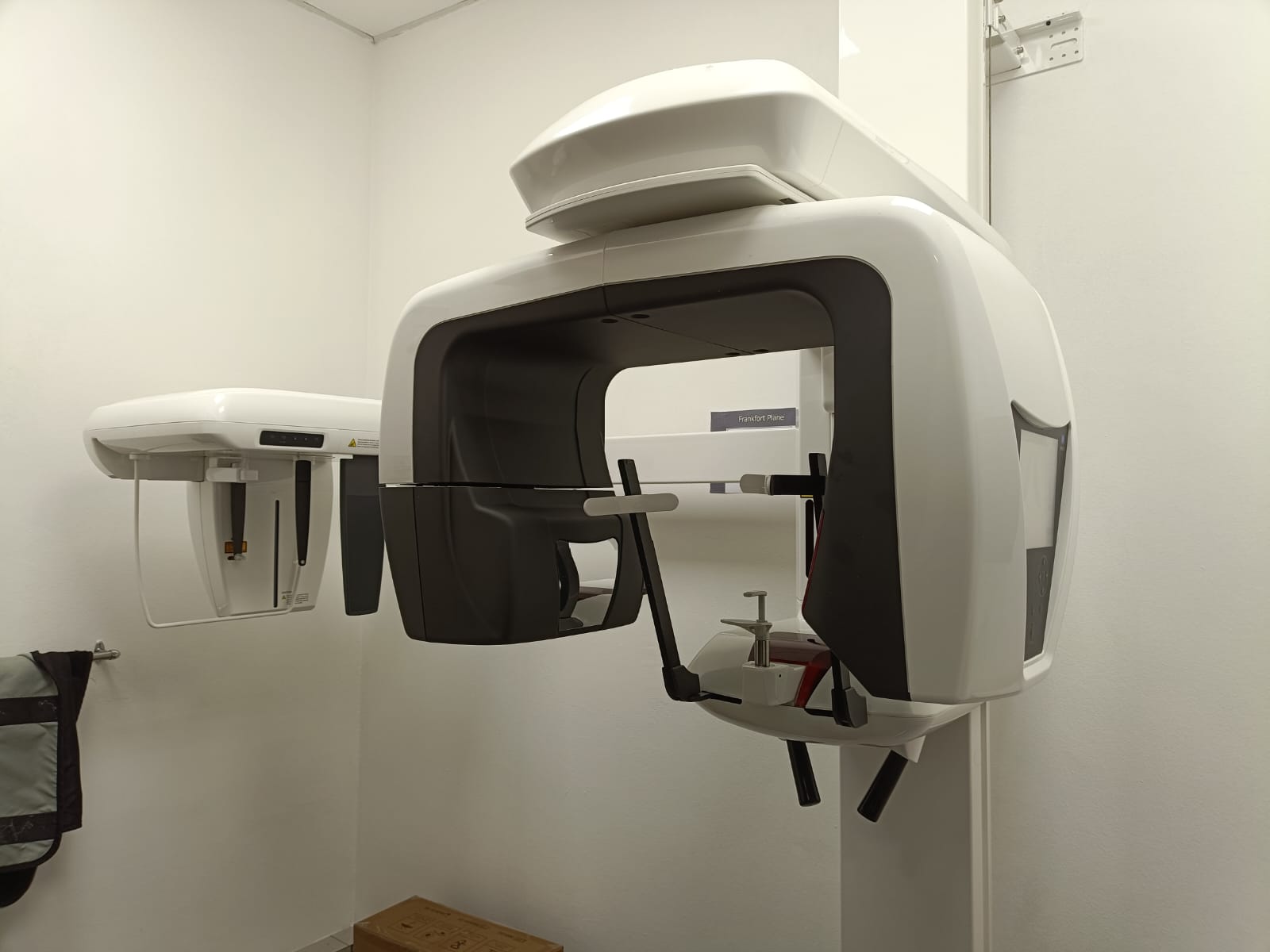
Orthopantomogram (OPG): A jaw-sized x-ray showing all teeth, upper and lower jaw bones, jaw joints, and maxillary sinuses.
- Our clinics are equipped with AI-guided solutions that can scan the OPG and detect abnormalities in approximately 5 seconds, helping dentists promptly diagnose oral conditions.
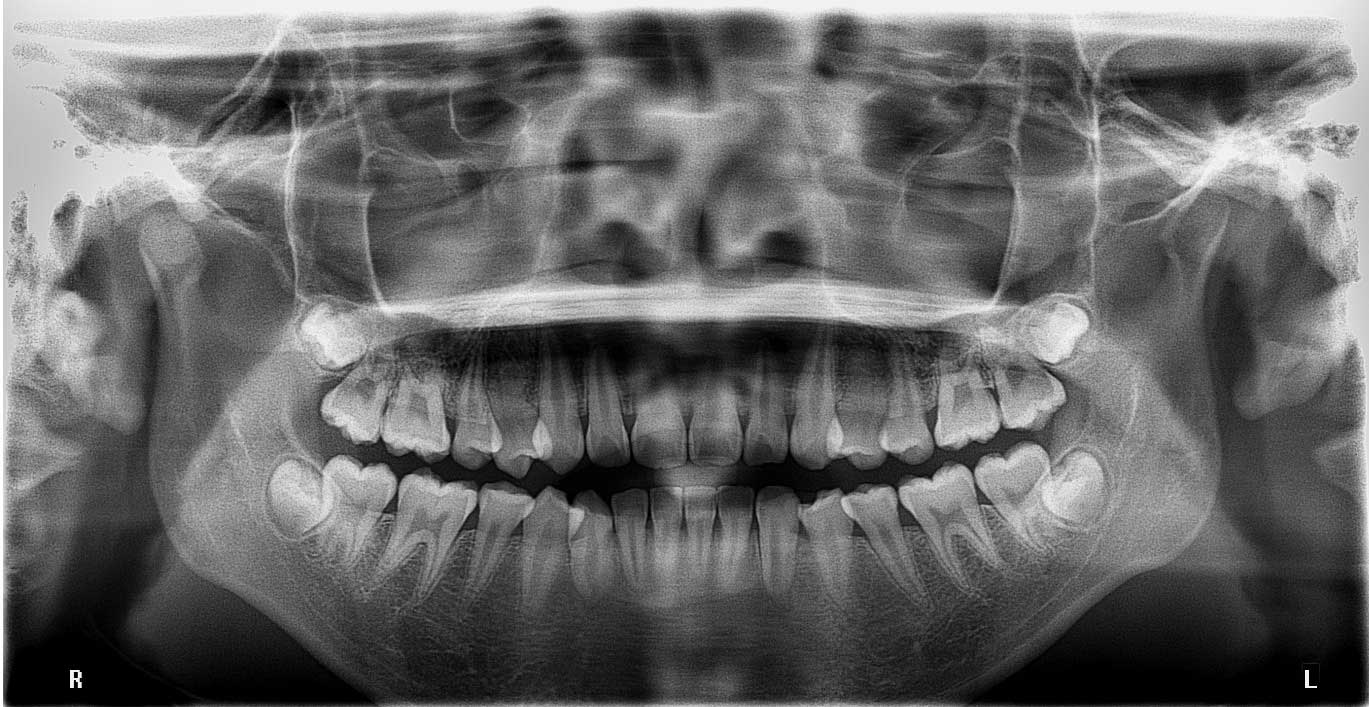
OPG Before AI-Guided Detection
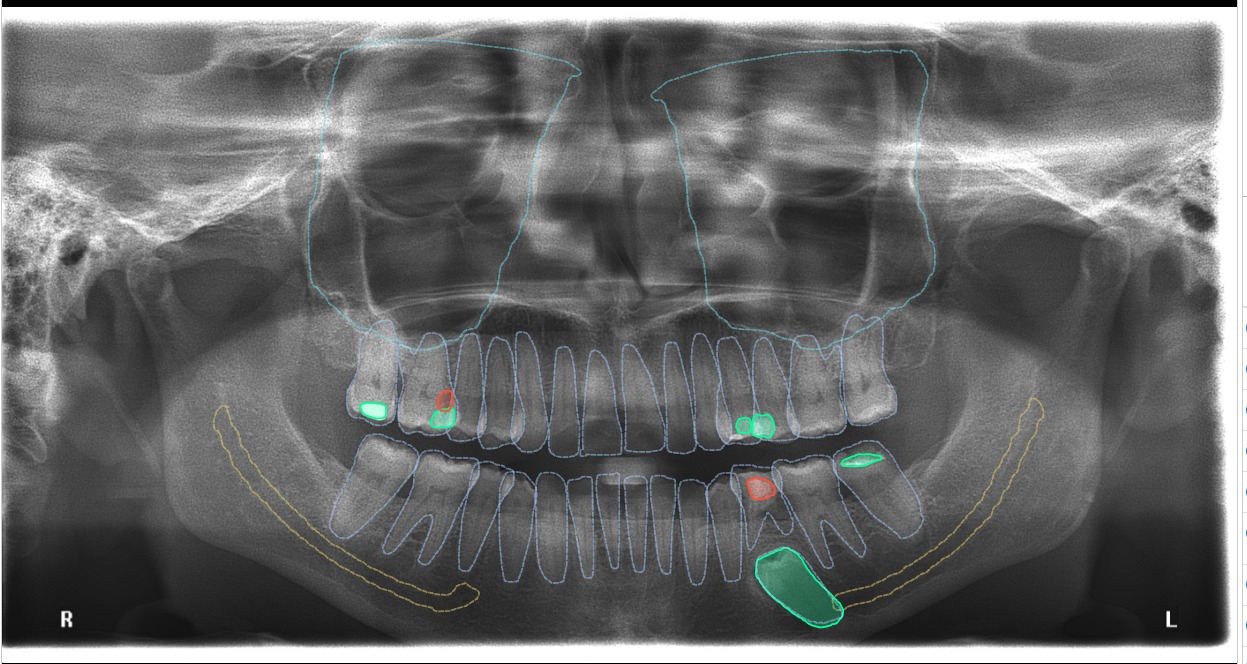
OPG After AI-Guided Detection
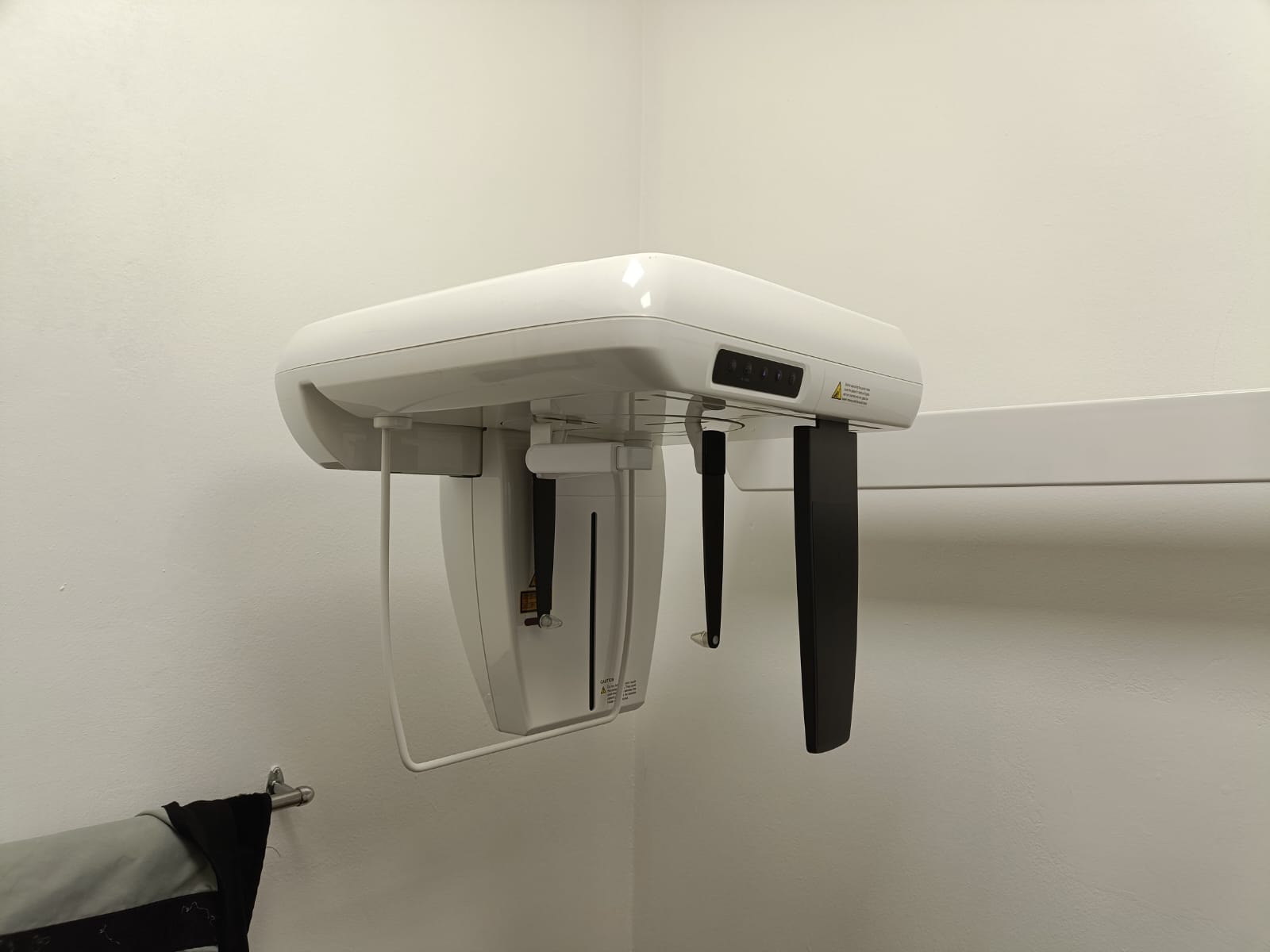
Cephalometric
X-rays showing the entire head from a lateral or anterior view. Commonly used in orthodontic treatment planning to assess the relationship between teeth and jaws.
Cone-Beam Computed Tomography (CBCT)
CBCT equipment rotates around the patient’s head to capture a 3D view of teeth, jaws, and skull bones. It provides accurate information about bone availability for implants, the position of impacted teeth, and the location and extent of bone pathologies.
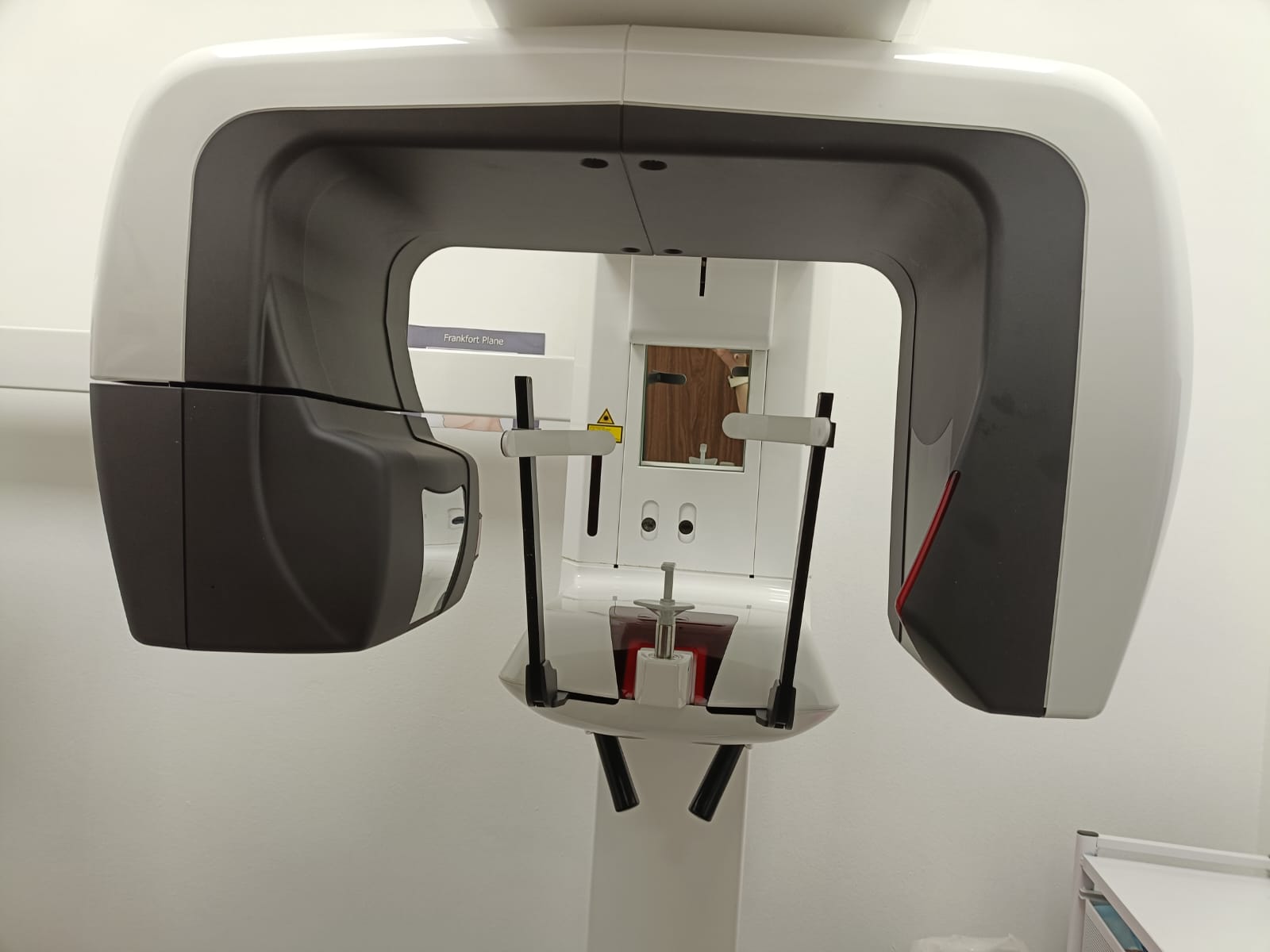
Cone-Beam Computed Tomography (CBCT)
CBCT equipment rotates around the patient’s head to capture a 3D view of teeth, jaws, and skull bones. It provides accurate information about bone availability for implants, the position of impacted teeth, and the location and extent of bone pathologies.

Your Trusted Partner in Dental Excellence.
Your journey to a dream smile starts here. Experience personalized, comfortable care from the moment you walk through our doors, tailored specifically to your unique needs.