


Aesthetic Dentistry
Why Do I Need Aesthetic Dentistry?
At Q & M Dental Group, we believe that a beautiful smile goes hand in hand with good oral health.
Aesthetic dentistry focuses on improving the appearance of your teeth — enhancing their colour, shape, alignment, and overall harmony for a confident, natural-looking smile.
Teeth Bonding
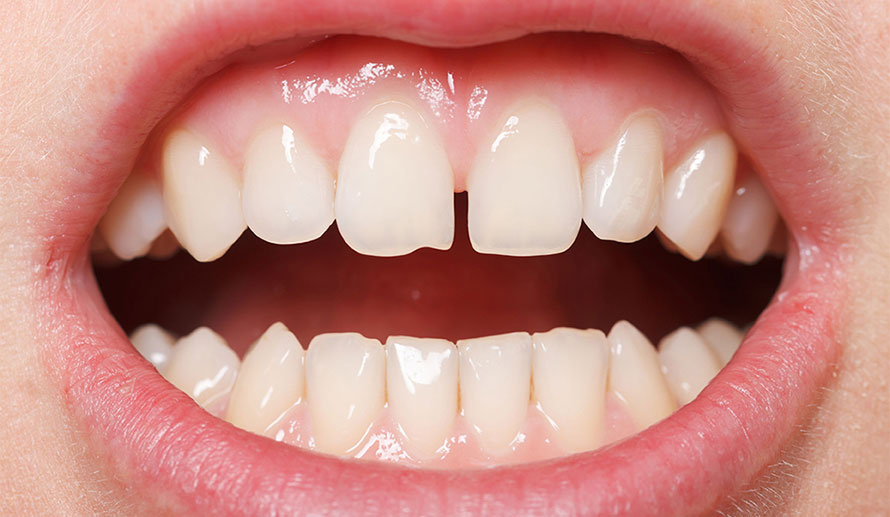

Teeth bonding is a simple and effective cosmetic treatment that can often be completed in a single visit. Our dentists can close gaps between front teeth (diastema) or replace defective metal fillings with a more aesthetic material known as composite resin.
The composite resin is carefully shaped to the desired form and then “hardened” or cured using a blue light. The restoration is polished to achieve a natural shine — and your new smile is ready.
Bonding is a quick and cost-effective treatment for small gaps and cavities that do not require more extensive procedures such as veneers or crowns.
What Causes Teeth Staining?
Teeth are porous and made up of tiny, hollow tube-like structures known as dentinal tubules. Staining occurs when the surface enamel absorbs pigments from food and beverages through these tubules.
Acidic foods and drinks — such as carbonated beverages, coffee, and red wine — erode the enamel, increasing the rate at which stains are absorbed. Some stains also come from pigments trapped in plaque that has become discolored.
Extrinsic stains caused by food and beverages are usually reversible and respond well to good oral hygiene, professional cleaning, and whitening treatments.
Teeth Whitening
What’s the Easiest Way to Whiter Teeth?
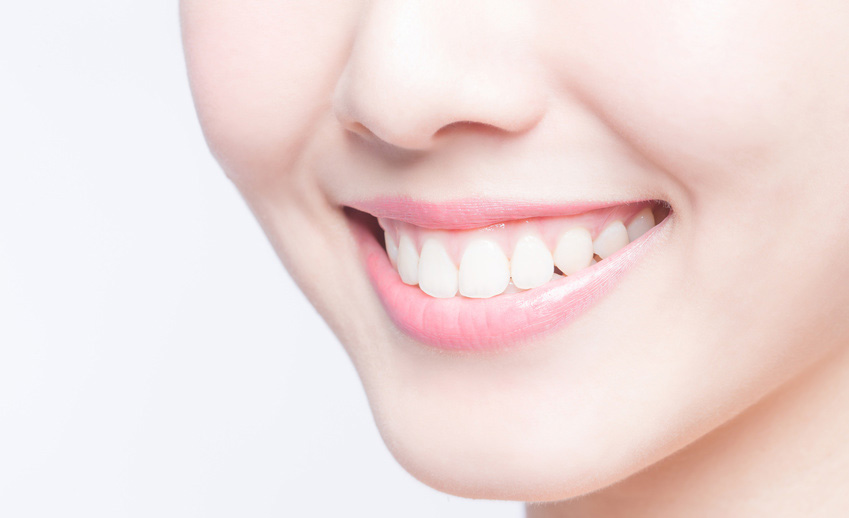
The easiest first step toward cleaner and whiter teeth is a professional scaling and polishing session with your dentist.
- Scaling removes the yellowish-black tartar buildup that makes teeth appear dull or stained.
- Polishing smooths the enamel surface and removes stains caused by coffee, tea, and smoking.
However, scaling and polishing only restore your teeth to their natural color. For a brighter shade beyond your original tooth color, teeth whitening is required.

Your Trusted Partner in Dental Excellence.
Your journey to a dream smile starts here. Experience personalized, comfortable care from the moment you walk through our doors, tailored specifically to your unique needs.
Types of Professional Teeth Whitening
Take-Home Teeth Whitening
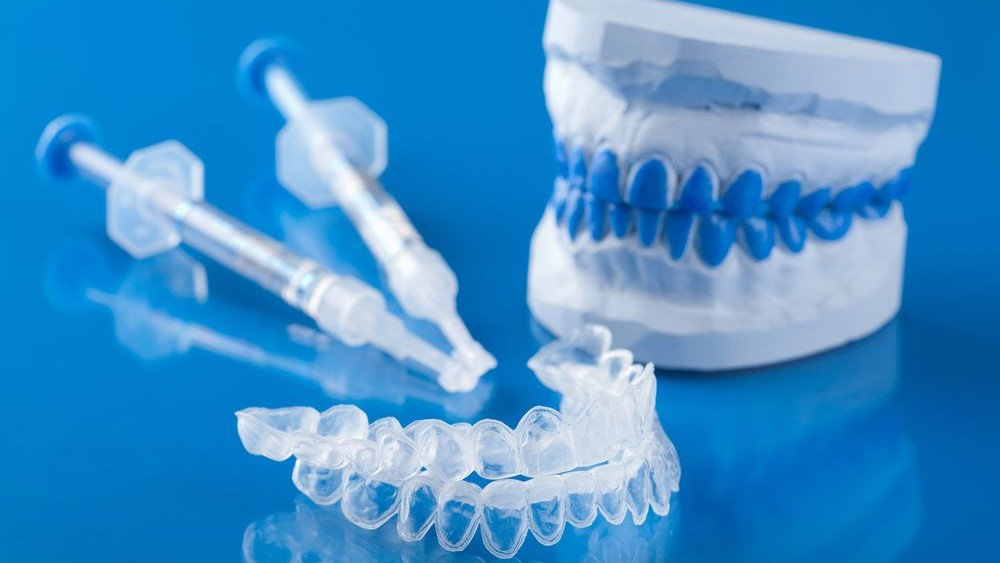
Your dentist will take an impression of your teeth to create custom-fitted whitening trays. These trays ensure the whitening gel is evenly applied to your teeth and does not spill onto your gums or tongue.
The dentist will prescribe the appropriate concentration of whitening gel based on your dental condition. Typically, the trays are worn for about 6 hours a day over 5 days to 2 weeks.
Chairside Teeth Whitening
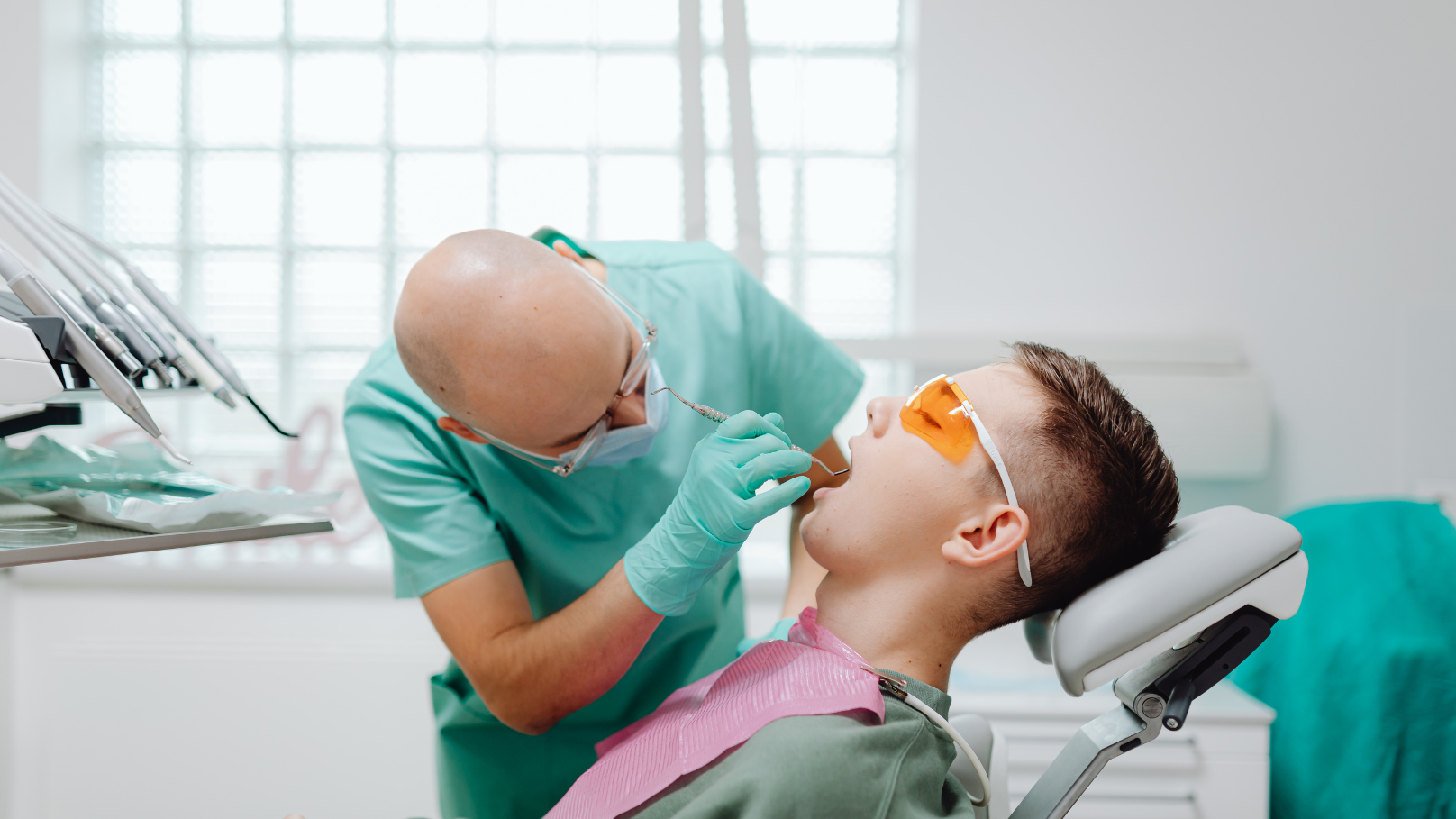
For the best results, your dentist may recommend a combination of chairside and take-home teeth whitening procedures. The take-home kit further enhances whitening and helps maintain long-lasting results. It can also be used periodically for touch-ups after the chairside treatment.
During the first visit, your dentist will perform a proper examination and diagnosis, followed by treatment planning. An impression of your teeth will then be taken to custom-make trays for your take-home kit.
At the second visit, the chairside whitening procedure is performed using Plasma Light Technology. During the same appointment, your dentist will provide the take-home kit, which you will continue using for the next 4–5 days.
A review appointment is usually scheduled after one week for follow-up and assessment.
Why You Should Always See a Dentist for Whitening
Tooth whitening is a non-invasive solution for mild to moderately discoloured teeth. While it is generally considered a safe treatment, there are still some concerns regarding tooth whitening services provided by non-dentists, such as those offered at beauty salons.
According to current regulations from the relevant authorities, teeth whitening products containing more than 0.1% hydrogen peroxide can only be provided by licensed dentists. Hydrogen peroxide is the active ingredient responsible for whitening teeth.
Many beauty salons claim to use non-peroxide whitening gels, most of which contain sodium perborate as the whitening agent.
Facts About Non-Peroxide Tooth Whitening Agents
Sodium perborate is a salt derived from hydrogen peroxide. It works by dehydrating the teeth, which makes them appear brighter temporarily. However, this effect is short-lived, as the teeth rehydrate naturally through saliva. In short, sodium perborate lightens teeth temporarily rather than whitens them.
In contrast, peroxides are true bleaching agents. They whiten teeth by breaking down highly pigmented carbon rings and converting them into lighter-coloured chains, producing a lasting whitening effect rather than a temporary brightening.
What You Should Know Before Going for Teeth Whitening
It is important to consult a dentist for a thorough check-up before proceeding with any teeth whitening treatment. For example, cavities should be filled first; otherwise, you may experience severe sensitivity or pain after the whitening procedure.
As trained dental healthcare professionals, dentists can assess whether you are a suitable candidate for teeth whitening. Some types of stains are intrinsic — meaning they originate from within the tooth structure — and therefore cannot be removed through whitening treatments.
Teeth Whitening FAQs
How long does Chairside Teeth Whitening take?
The clinical procedure typically takes about 45 minutes to 1 hour. In most cases, patients notice an immediate whitening result after treatment.
Is it painful?
The teeth whitening procedure itself is not painful. However, a proper dental examination and diagnosis should be conducted before any whitening treatment. This ensures that your teeth and gums are healthy before starting. For instance, decayed teeth should be filled first to prevent discomfort or sensitivity during whitening.
Are there any side effects?
The most common side effect is tooth sensitivity within the first 24 hours after treatment. This can be managed using a desensitizing agent (e.g., Tooth Mousse) or a mild pain reliever (e.g., Paracetamol).
What about teeth whitening toothpastes, gels, or products advertised on TV?
The outer enamel layer of our teeth is one of the hardest substances in the body. For a whitening product to be effective, the concentration of the bleaching agent (usually a form of peroxide) must be sufficiently high.
In Malaysia, regulations strictly limit the concentration of peroxide allowed in over-the-counter whitening products. Therefore, these products cannot achieve results comparable to professional whitening performed by dentists.
How can I reduce staining from food and drinks?
Common staining culprits include coffee, tea, red wine, fruit juices, blueberries, cherries, and curry. To minimize staining:
- Use a straw when drinking.
- Finish these foods or drinks in one or two sittings rather than sipping throughout the day.
- Brush your teeth after eating or drinking them whenever possible.
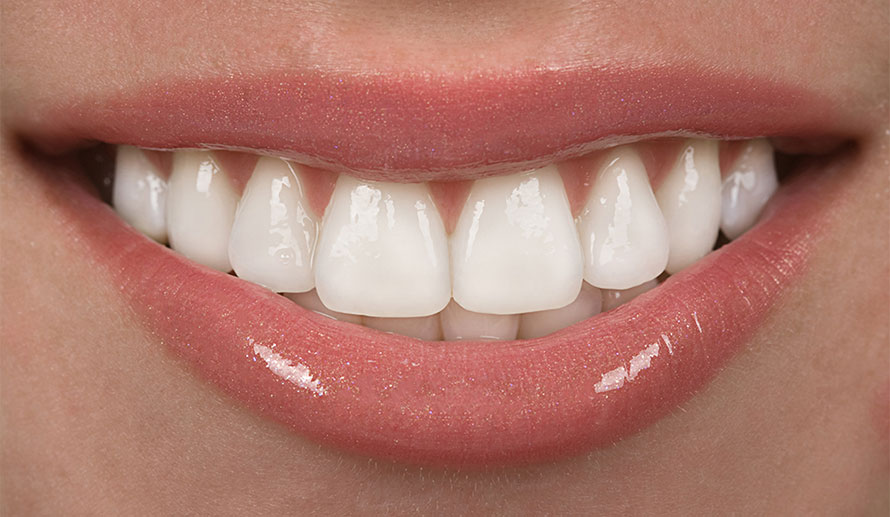
Veneers
A dental veneer is a custom-designed, thin porcelain layer that covers the outer surface of a tooth to improve its colour, size, or shape for a more desirable appearance. Beyond its cosmetic benefits, a veneer can also serve a functional purpose by protecting the surface of a damaged tooth.
The two most common materials used for veneers are composite resin and porcelain.
Composite Veneers
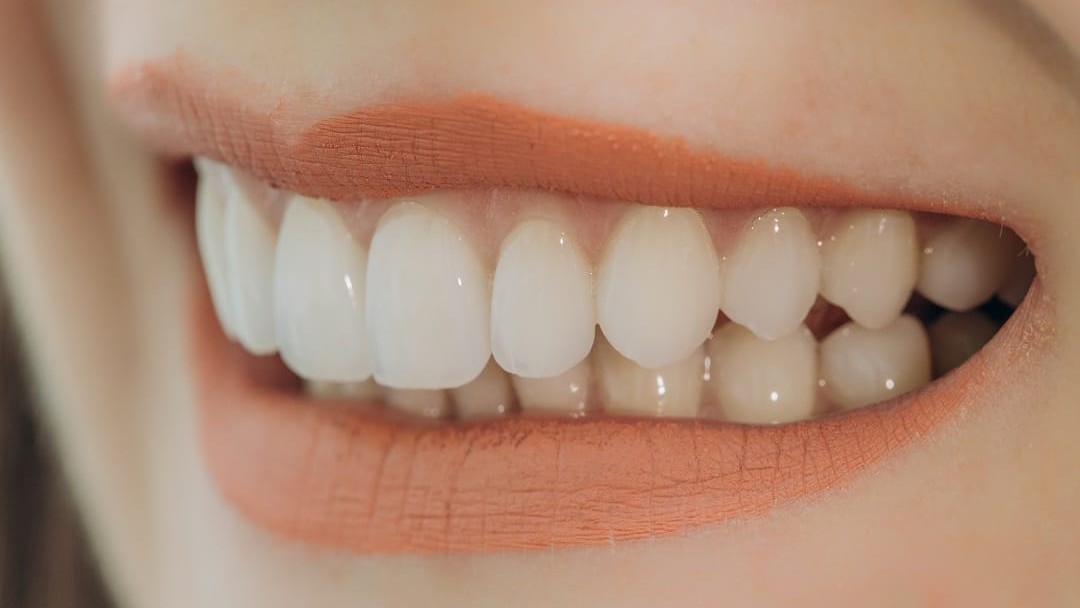
- can usually be completed in a single session.
Porcelain Veneers
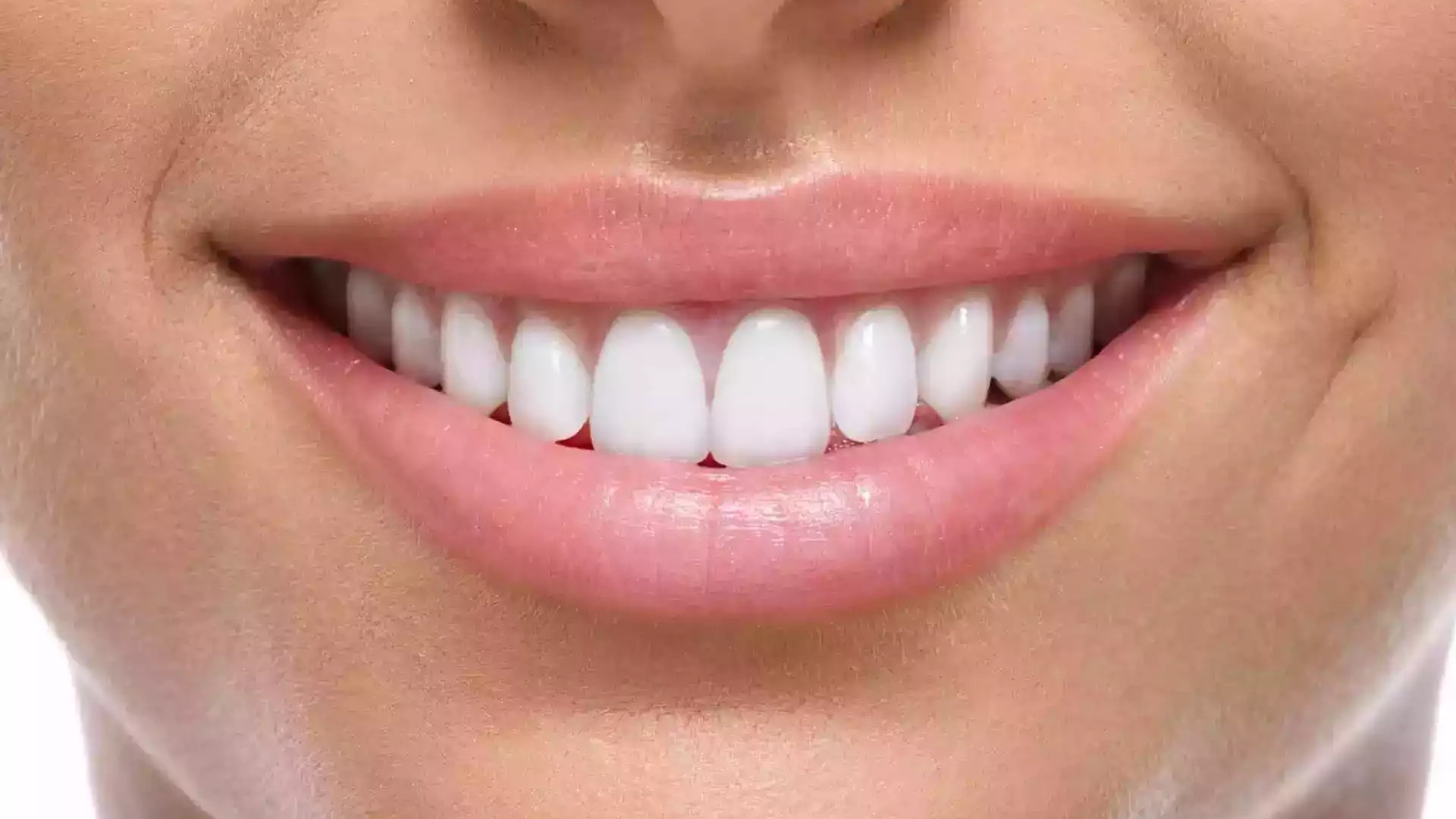
- require a second visit for fitting but are generally more durable and longer-lasting.
Once bonded into place, veneers are strong and resilient, though care should still be taken as the thin porcelain shells can chip or break under excessive force. Your dentist may advise you to avoid certain foods or habits.
If you grind or clench your teeth (a condition known as bruxism), your dentist may recommend wearing a night guard to protect your veneers and natural teeth while you sleep.